

Introduction: The Shift Towards Renewable Energy
With rising energy demands and environmental concerns, industries are actively shifting toward renewable fuel solutions. Traditional fossil fuels are not only depleting but also contributing heavily to global emissions.
Biofuels have emerged as a practical and scalable alternative due to their eco-friendly nature, cost-effectiveness, and compatibility with existing diesel engines.
To support this transition, modern industries are investing in advanced biofuel processing plants that ensure efficient, sustainable, and high-quality fuel production.
What is a Biofuel Processing Plant?
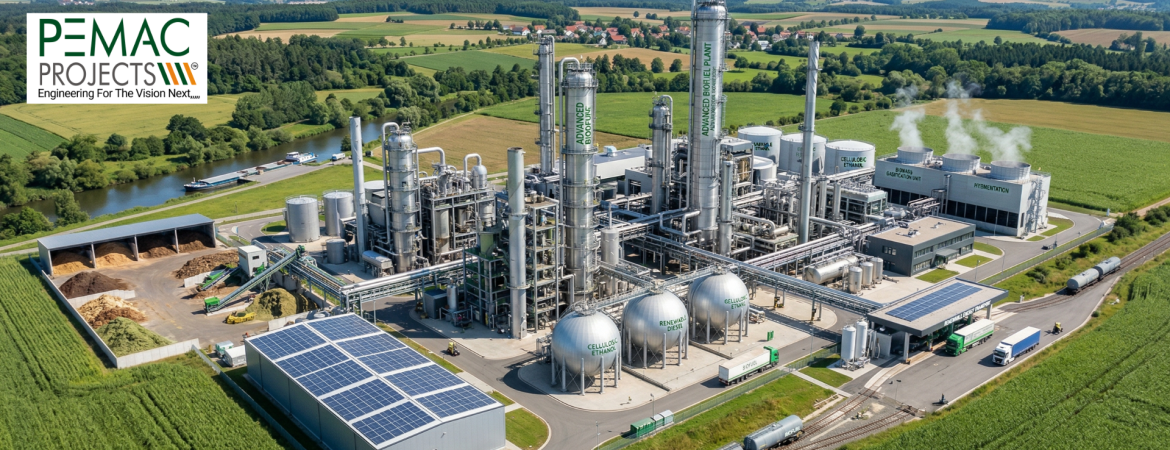
A biofuel processing plant is an integrated system designed to convert raw materials such as vegetable oils, animal fats, and waste oils into renewable fuels.
Key Components:
• Feedstock pre-treatment unit
• Reaction system (conversion process)
• Distillation and purification units
• By-product recovery systems
These plants are engineered to deliver consistent output while minimizing environmental impact.
Key Features of Modern Biofuel Plants
1. Multi-Feedstock Capability
Modern plants can process multiple raw materials such as:
• Used cooking oil
• Non-edible oils
• Agricultural residues
This flexibility reduces dependency on a single source and ensures uninterrupted production.
2. Energy Efficiency
Advanced systems are designed to:
• Reduce energy consumption
• Optimize chemical usage
• Improve conversion efficiency
This leads to lower operational costs and better ROI.
3. Low Waste Generation
Sustainable plants focus on:
• Minimal effluent discharge
• Reduced soap formation
• Cleaner production cycles
4. Value-Added By-products
High-quality by-products like glycerine can be refined and used in:
• Pharmaceuticals
• Cosmetics
• Chemical industries
Role of Non-Edible Feedstocks
One of the biggest challenges in biofuel production is the food vs fuel conflict.
To solve this, industries are now shifting towards non-edible oil sources such as:
• Jatropha
• Castor
• Rubber seed oil
These feedstocks:
• Do not affect food supply
• Are cost-effective
• Are suitable for large-scale production
Advanced Technologies in Biofuel Production
Modern biofuel plants incorporate advanced technologies such as:
• Catalytic conversion systems
• Continuous processing units
• High-efficiency reactors
• Advanced distillation systems
These technologies improve:
• Yield
• Production speed
• Product quality
Benefits of Investing in Biofuel Plants
- 1. Environmental Benefits
• Reduced greenhouse gas emissions
• Lower carbon footprint
2. Economic Benefits
• Lower fuel production costs
• Revenue from by-products
3. Industrial Benefits
• Scalable production
• High efficiency and automation
Future of Biofuel Industry
The future of biofuel production lies in:
• Advanced feedstock utilization
• Smart automation
• Circular economy integration
Countries with abundant biomass resources, like India, have massive potential to become global leaders in renewable fuel production.
Conclusion
Investing in advanced biofuel processing plants is no longer an option—it is a necessity for industries aiming to stay competitive and sustainable. With the right technology, feedstock flexibility, and efficient systems, businesses can unlock new revenue streams while contributing to a greener future.
Leave A Comment