

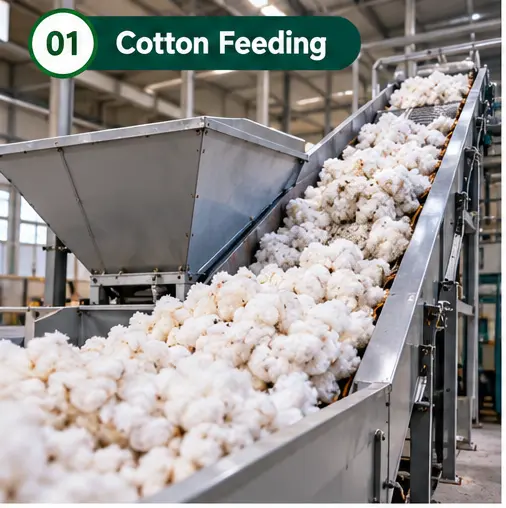
Cotton Feeding
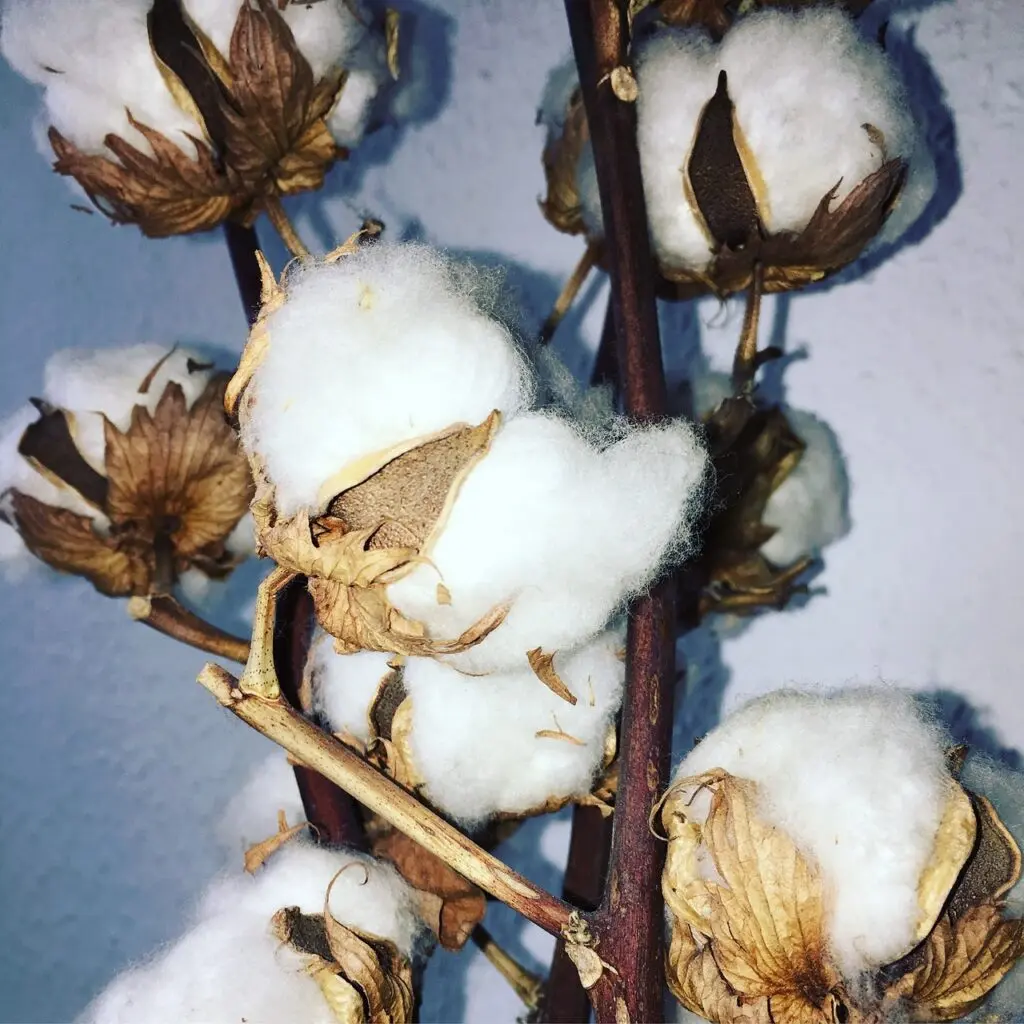
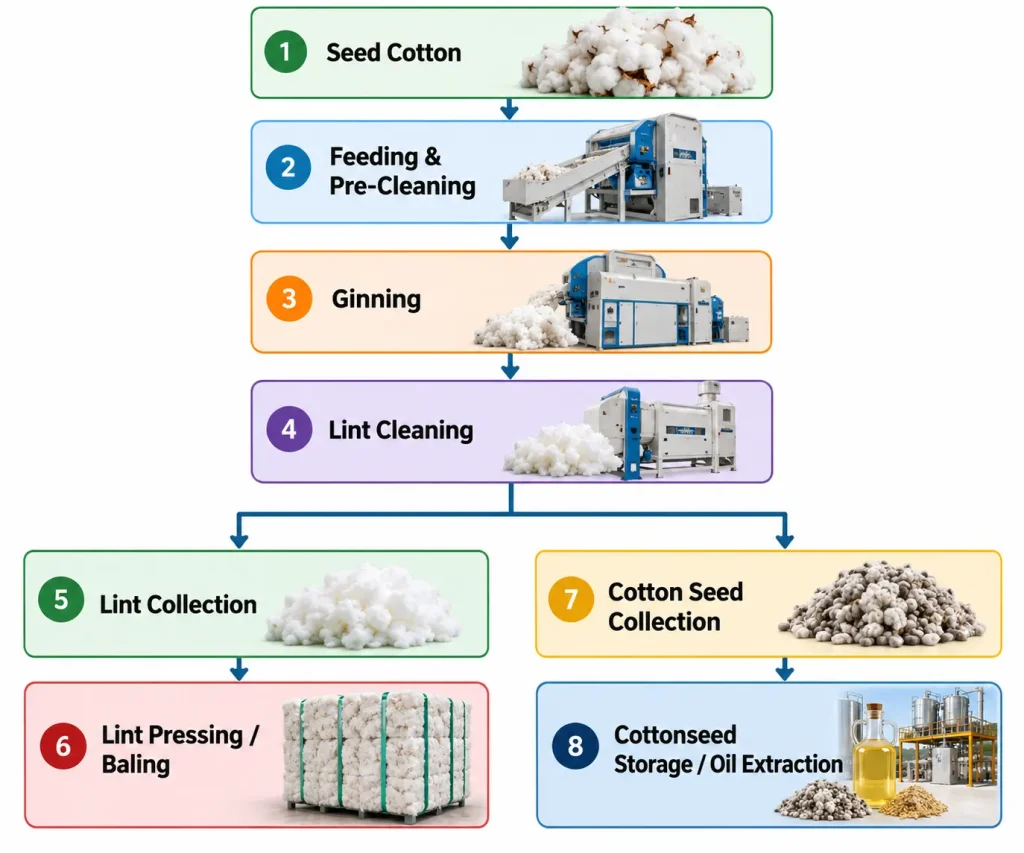
Raw seed cotton is received and fed into the ginning line through a controlled feeding system. Proper feeding helps maintain consistent throughput and stable ginning performance.
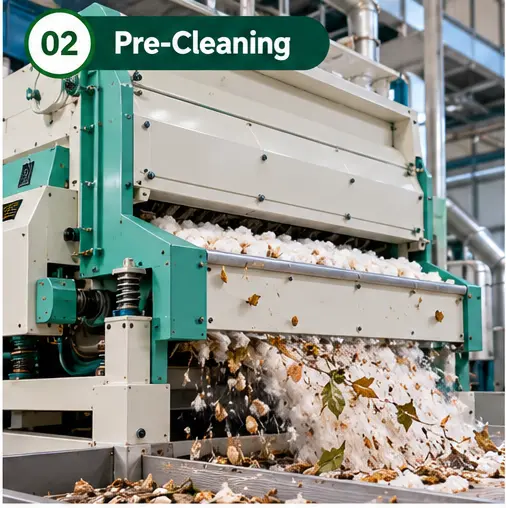
Pre-Cleaning
The seed cotton passes through cleaning equipment to remove: • Sticks • Leaves • Dirt • Sand • Foreign materials • Other field impurities Effective pre-cleaning improves ginning efficiency and helps protect downstream equipment.
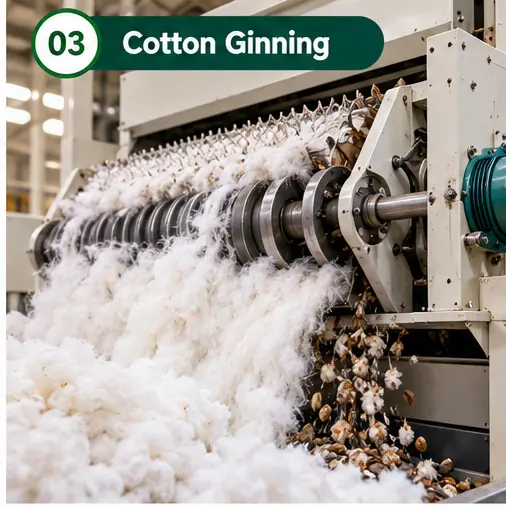
Cotton Ginning
The cleaned seed cotton enters the ginning machine, where cotton fibres are mechanically separated from the cotton seed. The ginning system is designed to achieve efficient fibre separation while minimizing fibre damage and maintaining desirable lint quality.
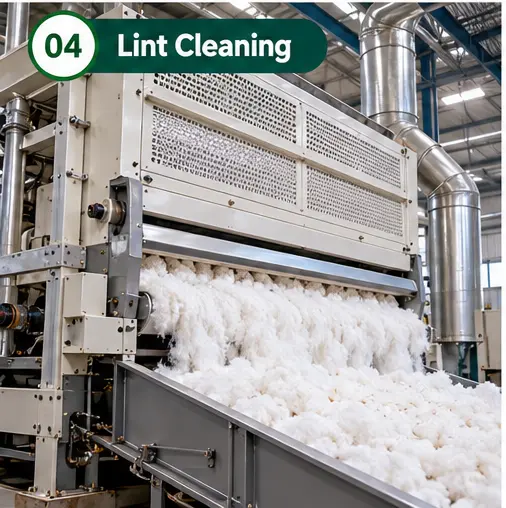
Lint Cleaning
Separated cotton lint can be subjected to further cleaning to remove remaining impurities and improve the quality and appearance of the finished lint.
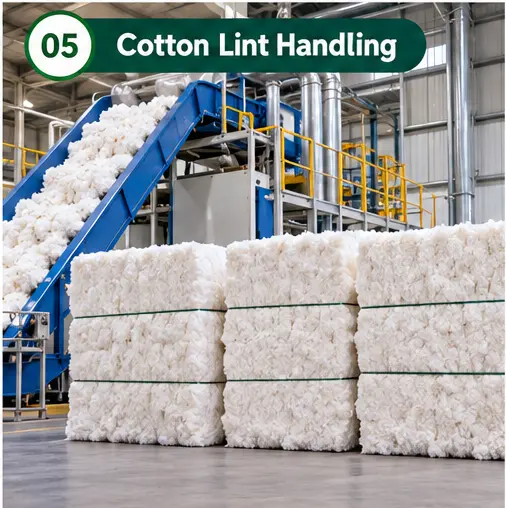
Cotton Lint Handling
The cleaned lint is conveyed to the lint collection and handling system. Depending on the plant configuration, the lint can be further processed through lint pressing and baling systems for storage and transportation.
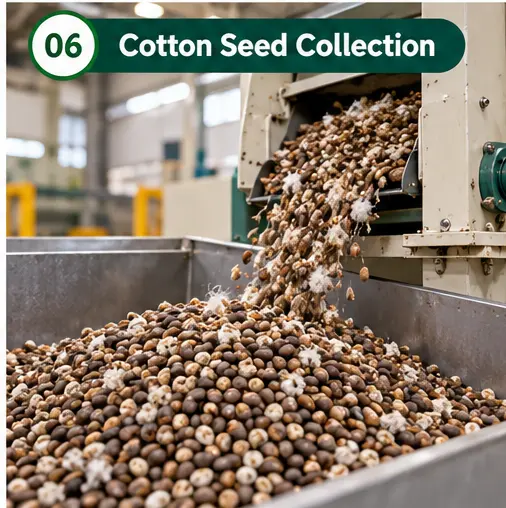
Cotton Seed Collection
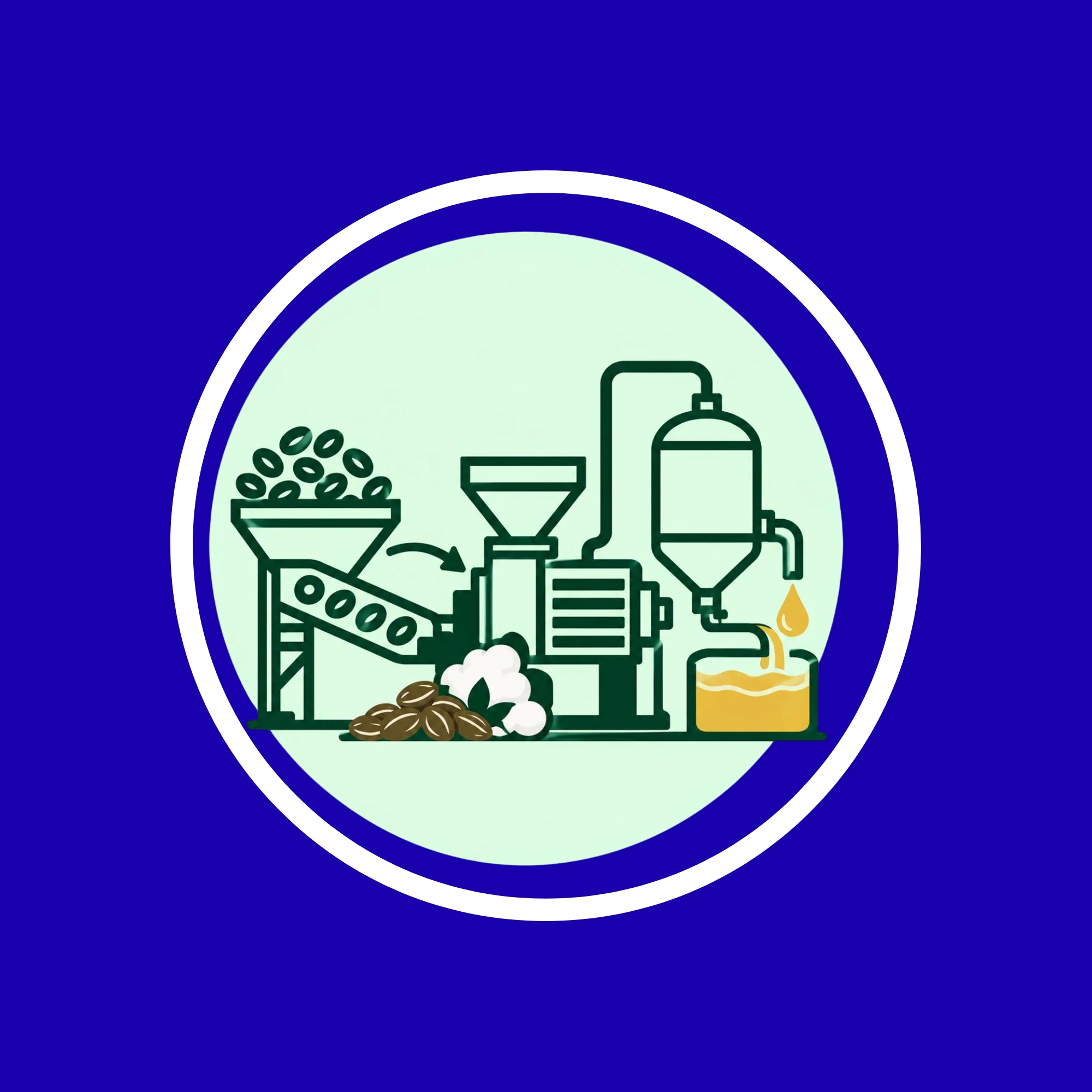
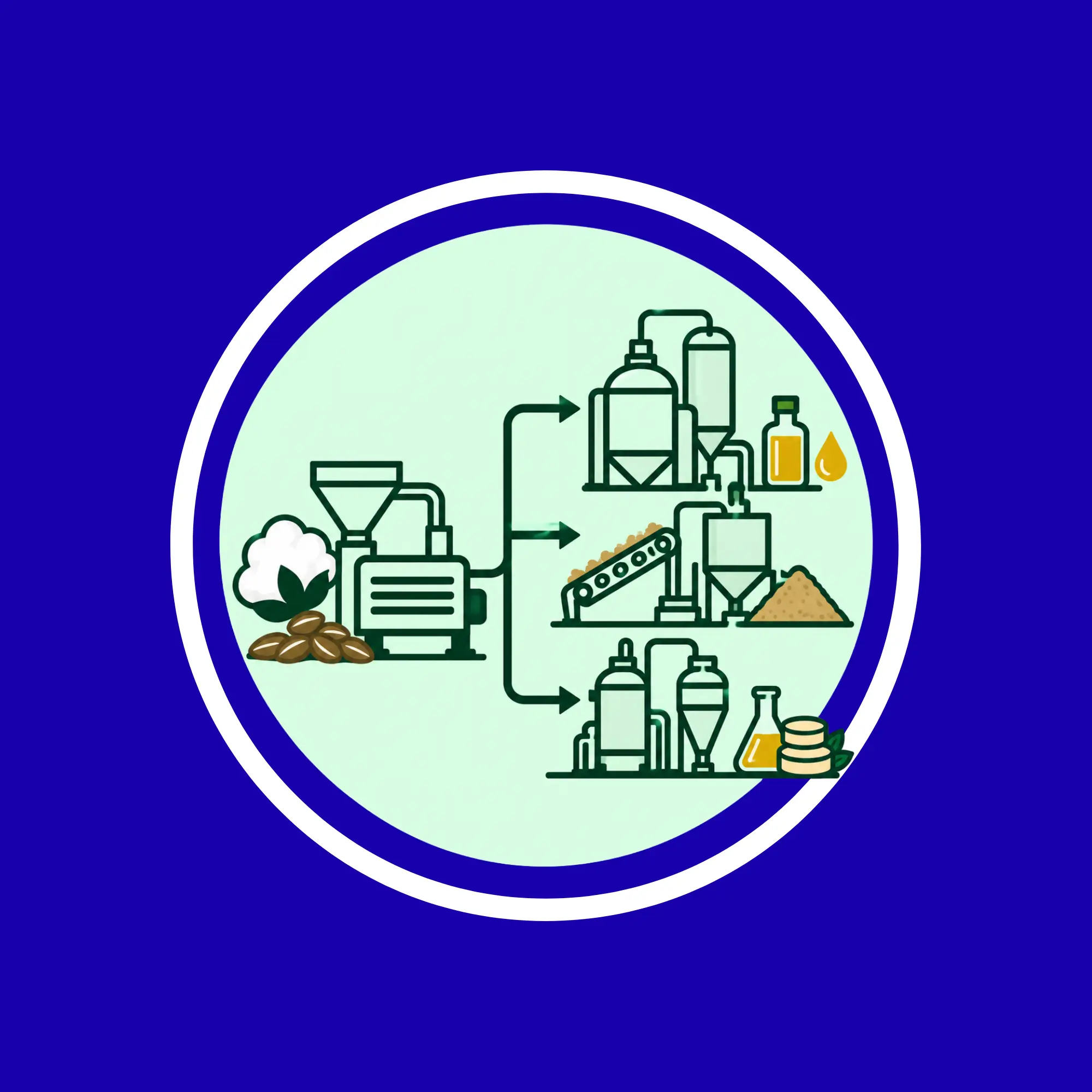
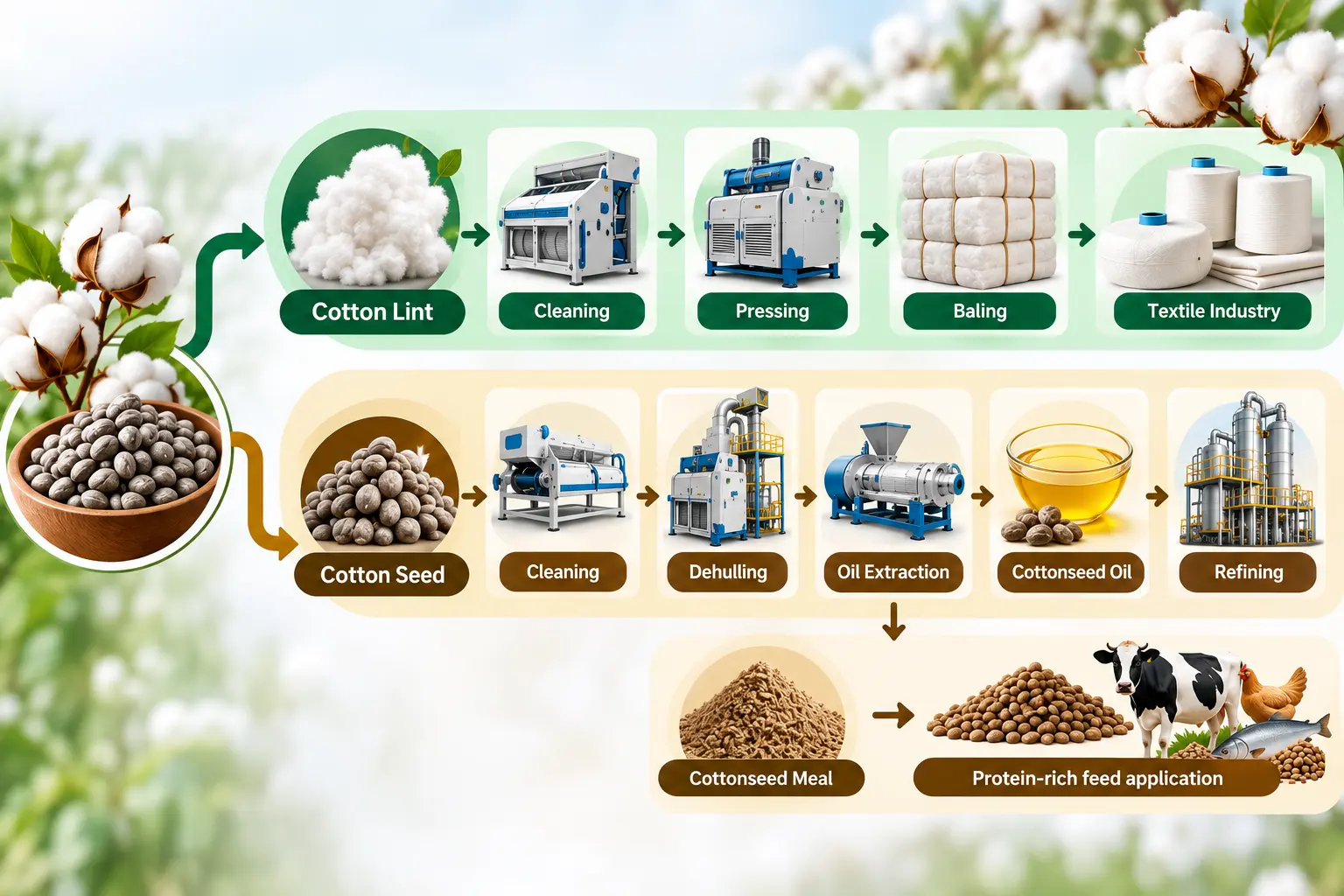
The separated cotton seed is collected and conveyed to the seed handling section. The cotton seed can be: • Stored for sale • Sent to cottonseed oil extraction • Processed through dehulling • Used for cottonseed meal production • Further processed for value-added applications
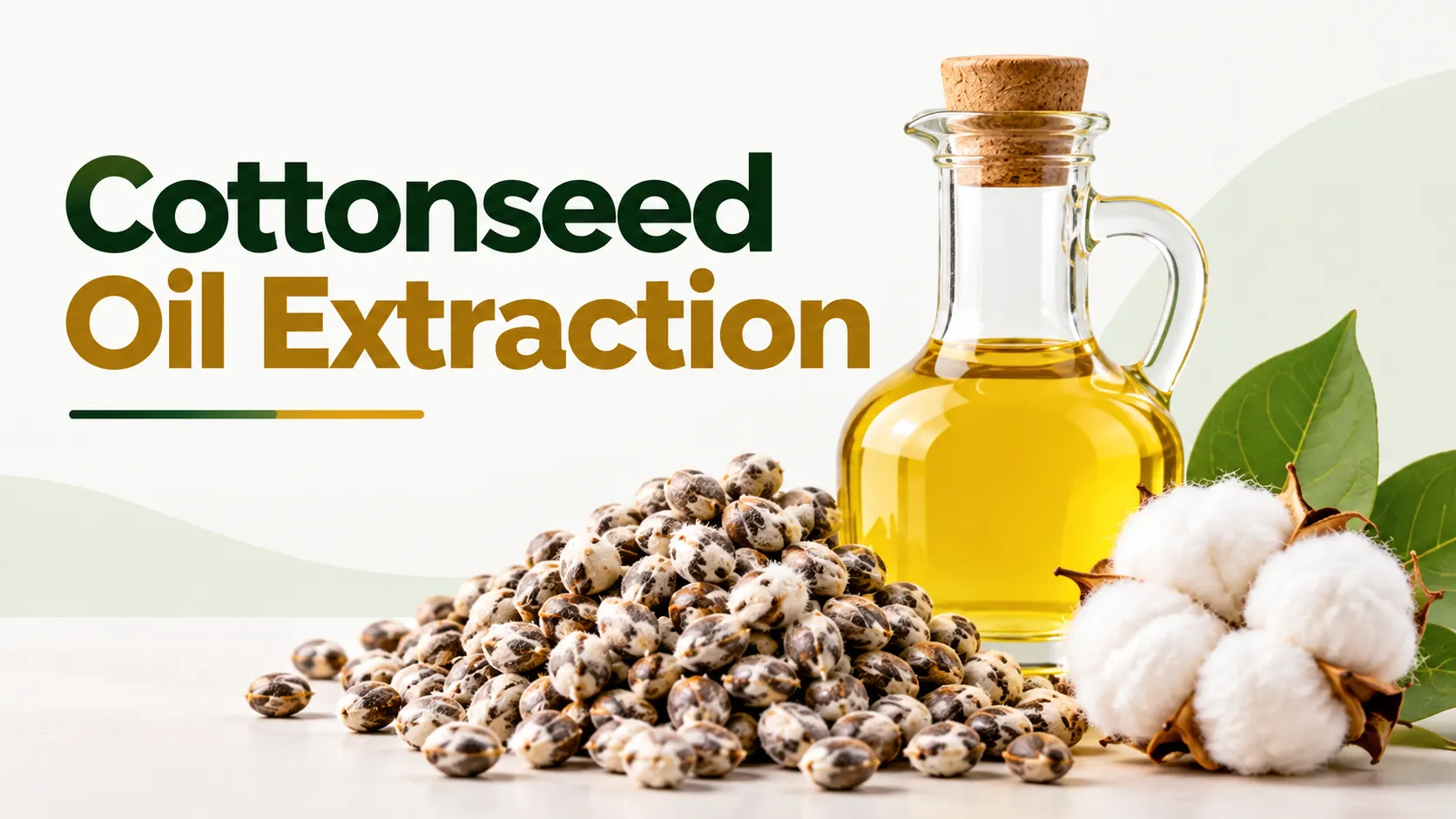
Cottonseed can be processed through mechanical or solvent extraction systems to recover valuable cottonseed oil.
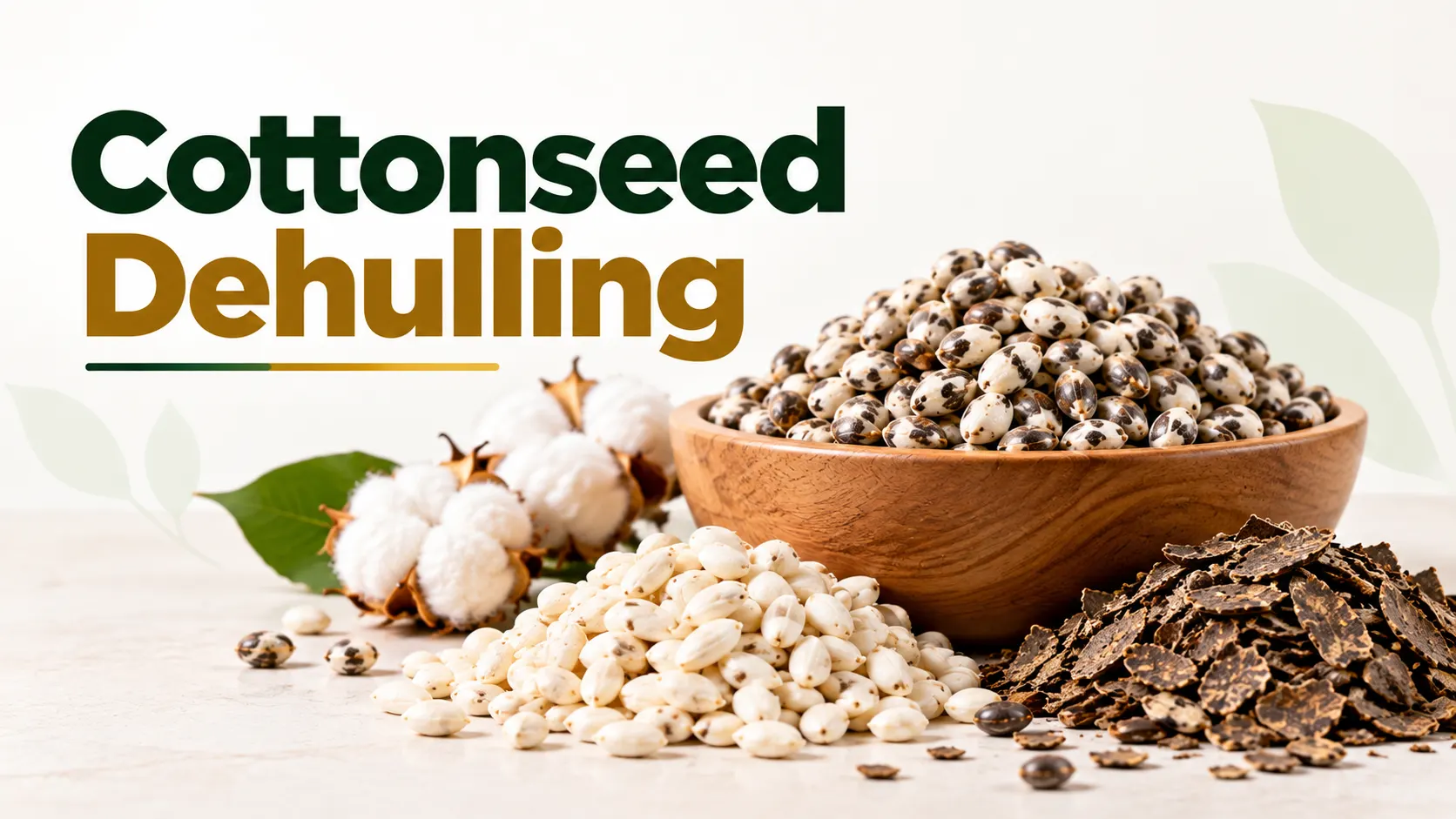
Dehulling can be incorporated to separate hulls from cottonseed kernels and improve the quality and value of downstream products.
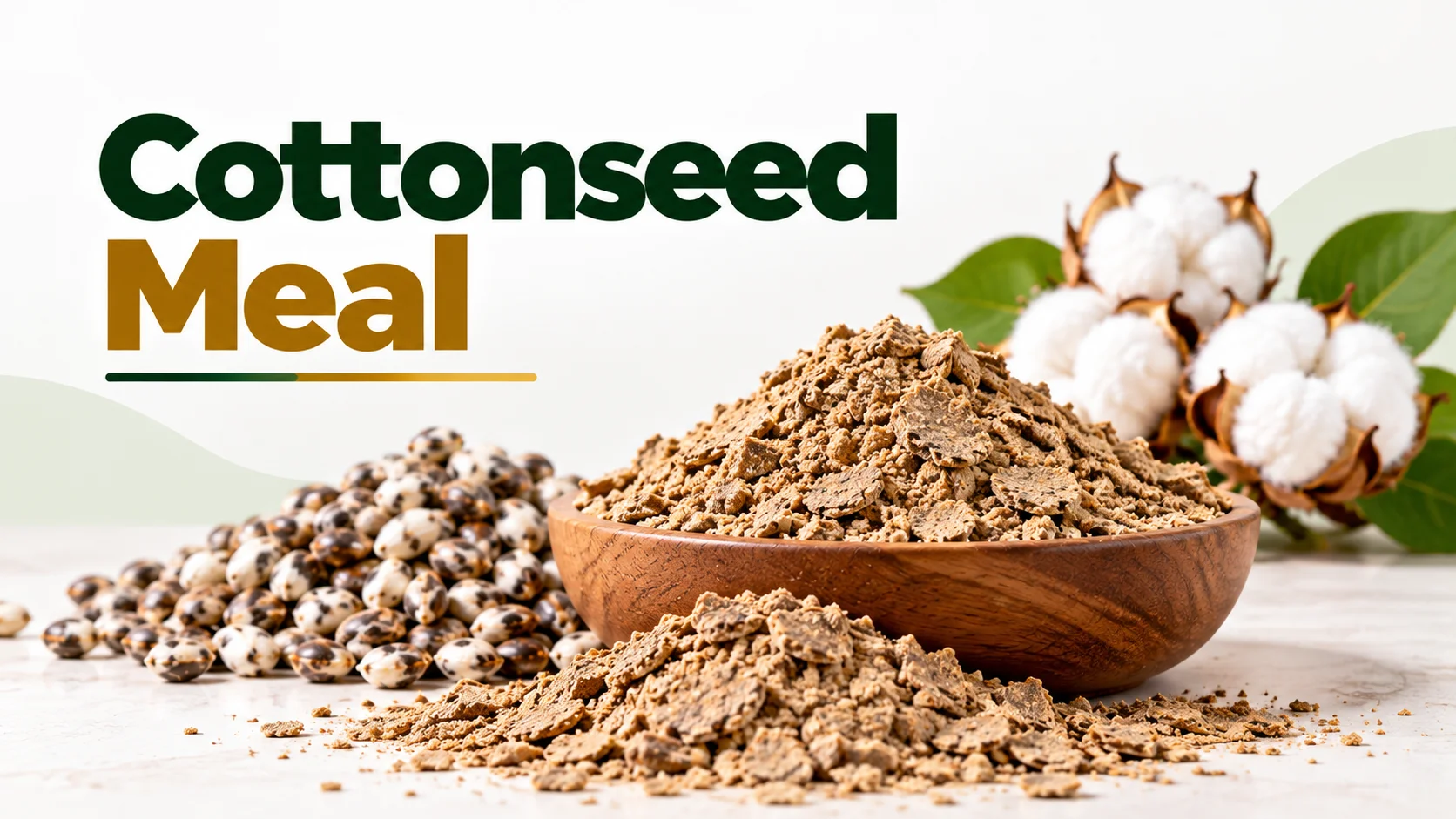
The processed cottonseed cake or meal can be recovered as a protein-rich feed ingredient, subject to applicable processing and quality requirements.
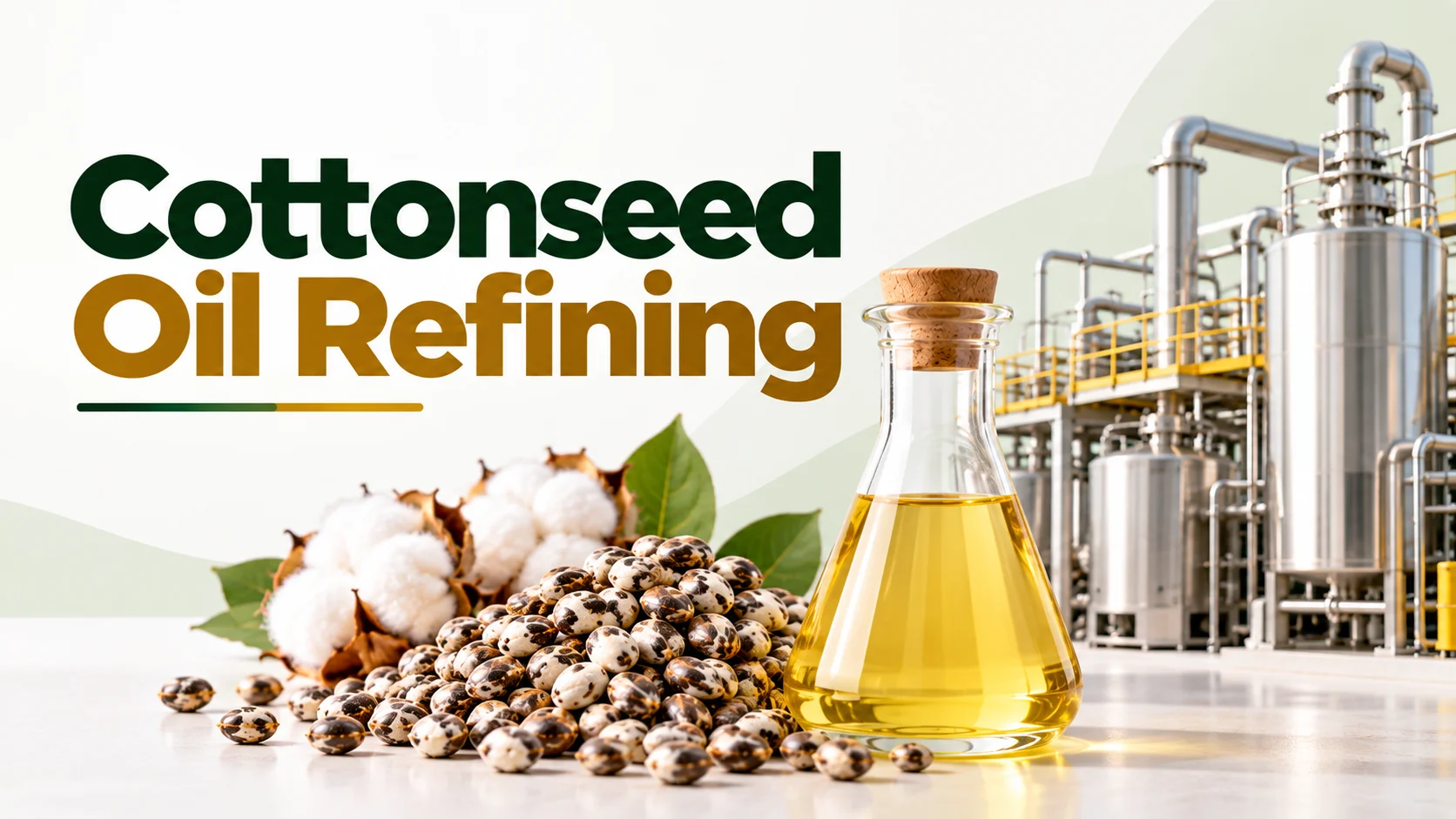
The recovered crude cottonseed oil can be further processed through suitable edible oil refining systems, depending on the required product specifications.